Ladybird Spider | Eresus walkenaerius
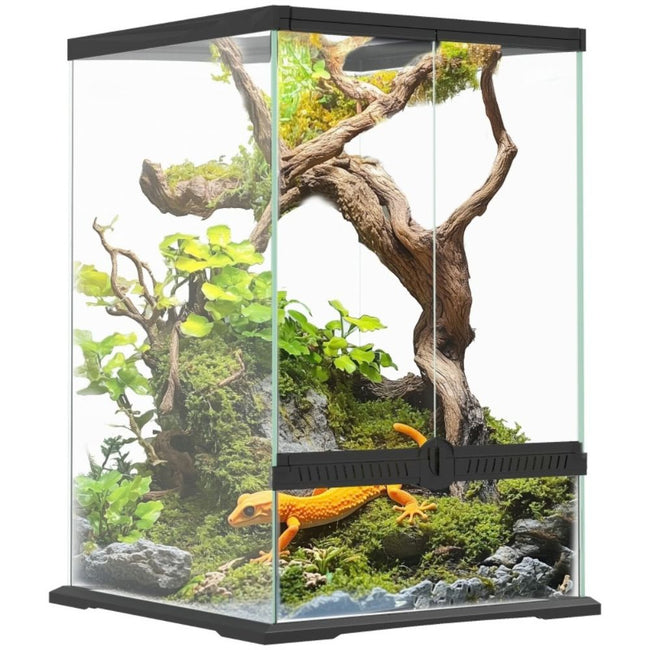
Plan the habitat for the adult animal, with secure housing and room to carry out its natural behaviour.
At a Glance
| Origin & natural habitat |
The Ladybird Spider, Eresus sandaliatus, is native to select regions of Europe, including the United Kingdom, France, and Spain. |
| Adult size |
Confirm adult size for the exact species before choosing housing. |
| Lifespan |
The lifespan of the Ladybird Spider can vary depending on factors such as gender, environmental conditions, and habitat quality. Female spiders generally have longer lifespans than males. Specific information on their lifespan may be limited due to the rarity and specialized nature of the species. |
| Temperament |
Individuals vary; allow time to settle before any handling. |
| Activity |
Activity varies; give the animal sheltered resting places. |
| Social needs |
House individually. |
Housing & Setup
Enclosure dimensions are length × depth × height unless stated otherwise. Plan for the adult animal; larger, suitably furnished housing is encouraged.
| Adult housing |
Confirm a measured adult enclosure plan with our reptile team before purchase. |
| Temperature |
The Ladybird Spider thrives in temperate climates. It prefers moderate temperatures, typically found in the regions where it is native. Exact temperature ranges for this species may vary depending on its specific habitat requirements. |
| Lighting & UVB |
A regular day/night cycle with darkness at night; specialist UVB is not required. Avoid direct sunlight and overheating. |
| Humidity / moisture |
Confirm the humidity and moisture requirements of the species supplied. |
| Substrate |
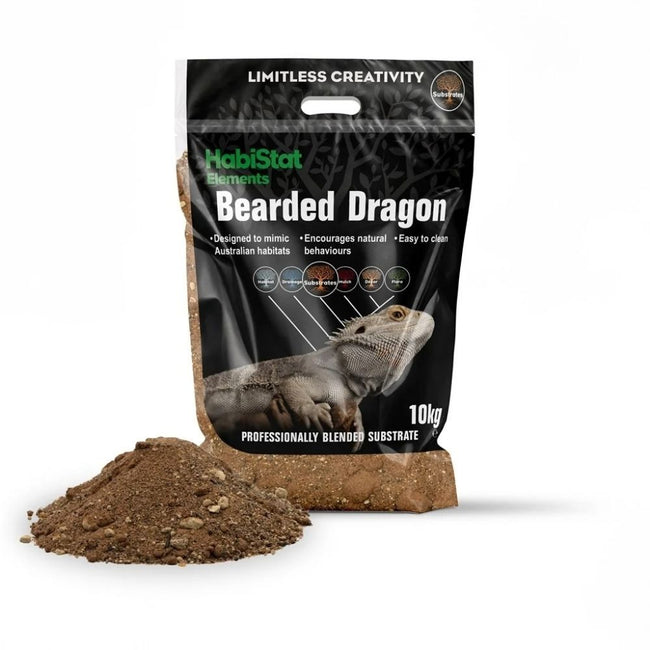
Species-appropriate, pesticide-free substrate; avoid aromatic woods. |
| Furnishings & filtration |
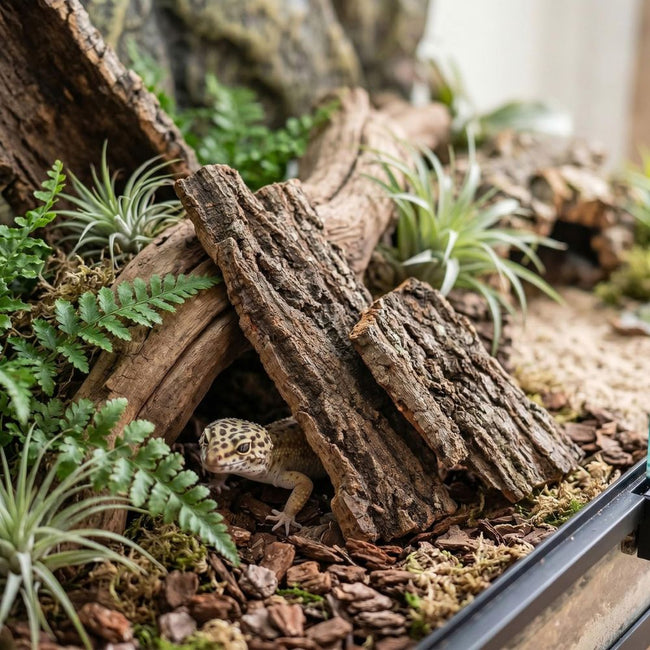
Secure hides and furnishings; drinking water must remain accessible. |
Behaviour & Compatibility
Keep separately from other species. Allow the animal to settle and keep handling short and supported.
Feeding & Nutrition
The exact feeding habits and prey preferences of the Ladybird Spider may vary. As with most spiders, it primarily feeds on insects, such as small flies and beetles. Detailed information on its feeding requirements may be obtained from scientific studies or experts specializing in the species.
Routine Care
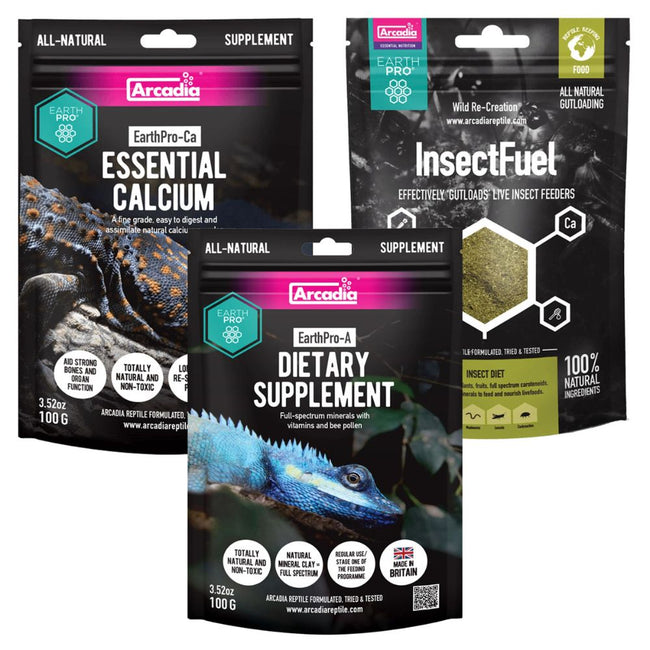
Check food, water or drinking droplets, ventilation and substrate moisture regularly. Remove waste and spoiled food promptly; avoid disturbing animals during moulting. Keep doors and ventilation gaps secure.
Important Before Buying
Run and check the enclosure before collection. Adult housing requirements apply even when the animal is sold as a baby. Confirm the animal’s current food, age and supplement schedule with our reptile team.
Live Animals Are Click & Collect Only
We do not ship live animals. Order online and wait for confirmation that your animal is ready before collecting from Newlands Home and Garden Centre, Clondalkin, Dublin 22. Have the enclosure prepared and its conditions checked before collection.