Jones' Tree Creeper Scorpion | Cheloctonus jonesii
Plan the habitat for the adult animal, with secure housing and room to carry out its natural behaviour.
At a Glance
| Origin & natural habitat |
The Cheloctonus jonesii species is native to the eastern side of South Africa. |
| Adult size |
Confirm adult size for the exact species before choosing housing. |
| Lifespan |
The lifespan of Cheloctonus jonesii can vary depending on various factors, including their environment and care. On average, these scorpions can live for about 6 to 8 years in captivity if provided with proper care, suitable housing, and a nutritious diet. |
| Temperament |
Individuals vary; allow time to settle before any handling. |
| Activity |
Activity varies; give the animal sheltered resting places. |
| Social needs |
House individually. |
Housing & Setup
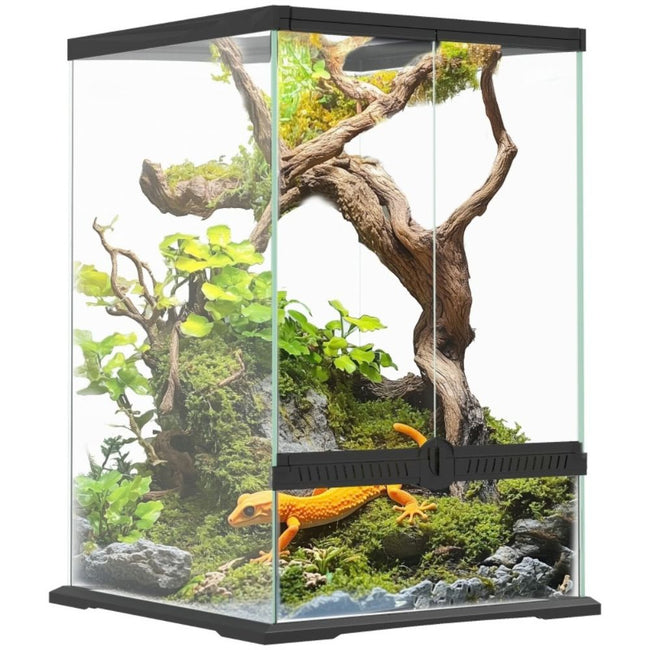
Enclosure dimensions are length × depth × height unless stated otherwise. Plan for the adult animal; larger, suitably furnished housing is encouraged.
| Adult housing |
Adult: around 30 × 30 × 30 cm, with deep substrate and additional floor space for larger species. |
| Enclosure type |
Secure terrestrial enclosure. |
| Temperature |
These scorpions thrive in warm climates. The ideal temperature range for Cheloctonus jonesii is between 75 and 85 degrees Fahrenheit (24-29 degrees Celsius). |
| Lighting & UVB |
A regular day/night cycle with darkness at night; specialist UVB is not required. Avoid direct sunlight and overheating. |
| Humidity / moisture |
Confirm the humidity and moisture requirements of the species supplied. |
| Substrate |
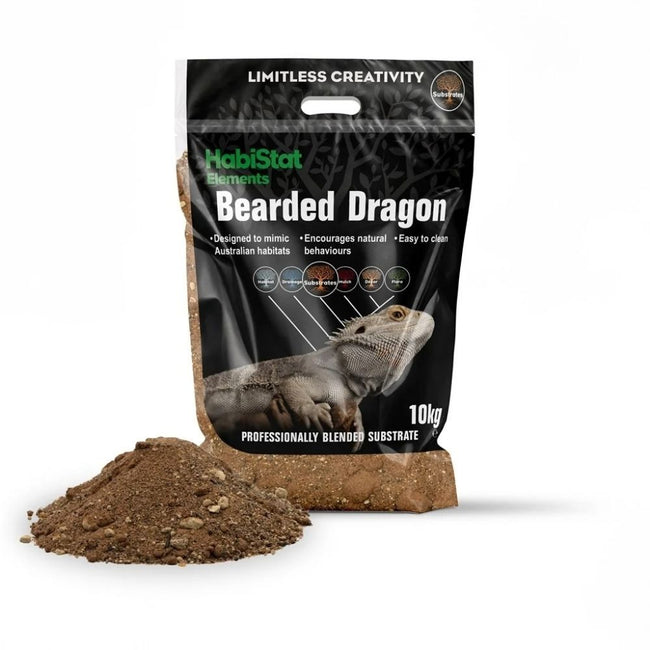
Deep moisture-retentive soil with a damp lower layer and a drier surface retreat. |
| Furnishings & filtration |
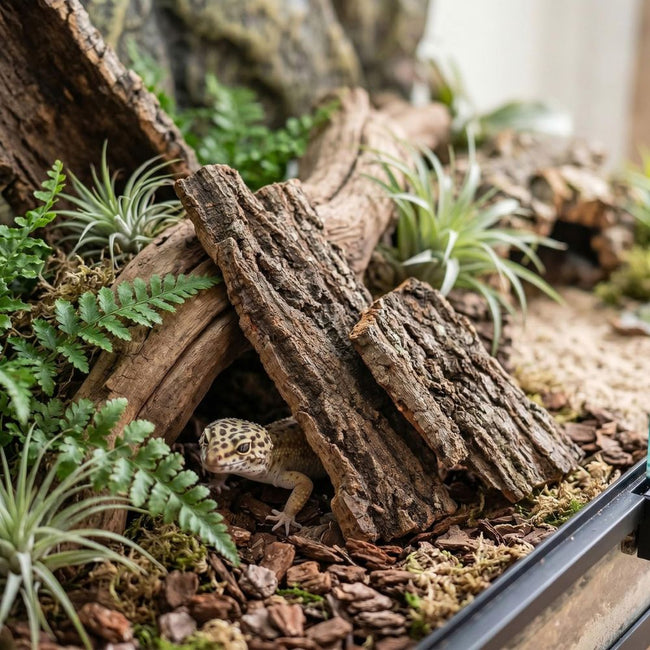
Secure hides and furnishings; drinking water must remain accessible. |
Behaviour & Compatibility
Do not handle. All scorpions are venomous; a calm appearance does not make handling safe. Use secure containers and suitable maintenance tools.
Feeding & Nutrition
Offer appropriately sized live insects around weekly for adults, adjusting to condition and appetite. Smaller juveniles need smaller prey. Remove uneaten insects, particularly around moulting, and keep a shallow water dish available.
Routine Care
Check food, water or drinking droplets, ventilation and substrate moisture regularly. Remove waste and spoiled food promptly; avoid disturbing animals during moulting. Keep doors and ventilation gaps secure.
Important Before Buying
Confirm the precise species, adult size and moisture requirements. Specialist handling and a secure enclosure are essential.
Live Animals Are Click & Collect Only
We do not ship live animals. Order online and wait for confirmation that your animal is ready before collecting from Newlands Home and Garden Centre, Clondalkin, Dublin 22. Have the enclosure prepared and its conditions checked before collection.