Eyelash Jumping Spider (Hyllus diardi) | Hyllus diardi
Plan the habitat for the adult animal, with secure housing and room to carry out its natural behaviour.
At a Glance
| Origin & natural habitat |
Confirm the precise species and its natural habitat with our team. |
| Adult size |
Around 1–2 cm body length; leg span is larger. |
| Lifespan |
Usually around 1–2 years; age and sex affect the remaining lifespan. |
| Temperament |
Small and delicate; observe rather than handle frequently. |
| Activity |
Day-active visual hunter. |
| Social needs |
House individually. |
Housing & Setup
Enclosure dimensions are length × depth × height unless stated otherwise. Plan for the adult animal; larger, suitably furnished housing is encouraged.
| Adult housing |
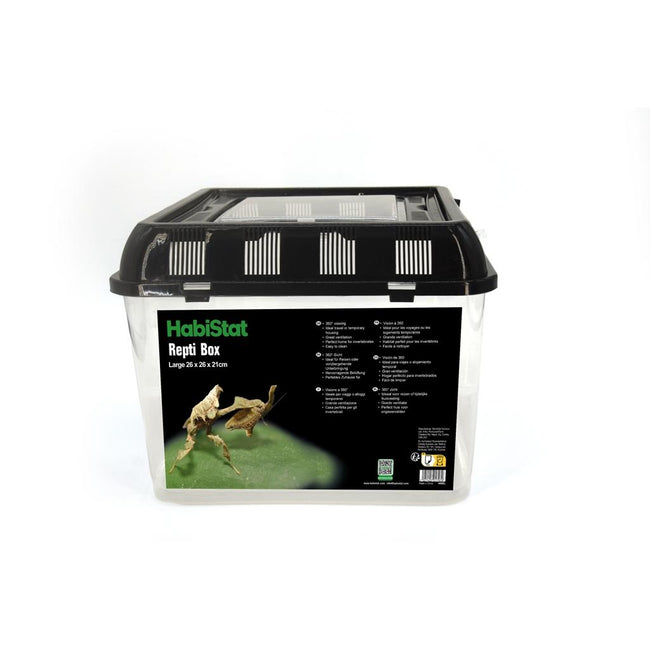
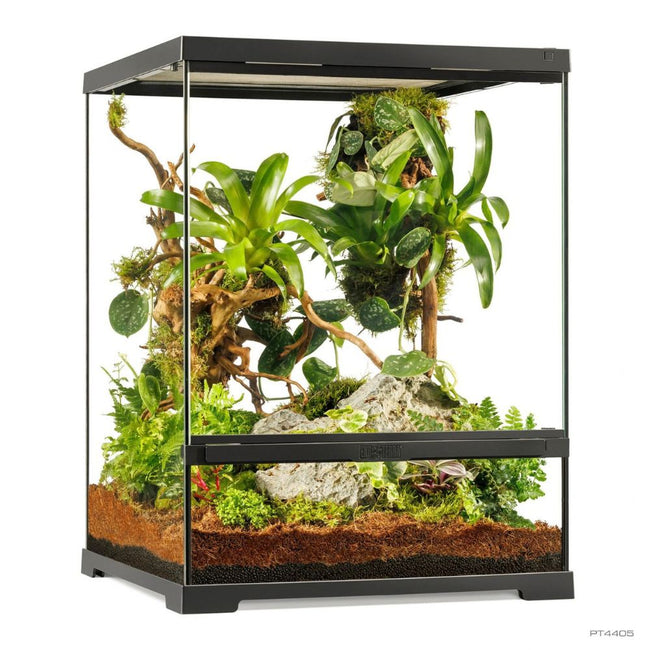
Adult: around 15 × 15 × 25 cm or larger. Spiderlings need a smaller, escape-proof grow-out enclosure so feeding can be monitored. |
| Enclosure type |
Small, tall, cross-ventilated enclosure opening below the upper retreat. |
| Temperature |
Generally around 22–26°C; avoid direct sun and overheating. Confirm the current conditions for the supplied species. |
| Lighting & UVB |
Bright indirect daytime light for hunting, with darkness at night. Avoid heat lamps on a tiny enclosure. |
| Humidity / moisture |
Light misting for drinking droplets, with drying between mistings; confirm species-specific moisture needs. |
| Substrate |
Thin layer of suitable soil or paper towel; keep ventilation clear. |
| Furnishings & filtration |
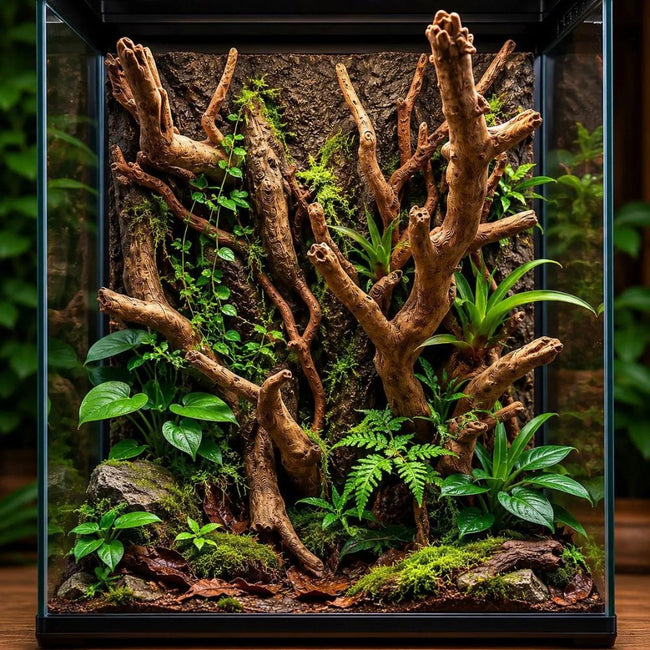
Safe upper anchor points, cork and foliage; do not destroy the top silk retreat. |
Behaviour & Compatibility
House alone. They can jump suddenly and are easily injured; use a secure container for maintenance and avoid disturbing the silk retreat.
Feeding & Nutrition
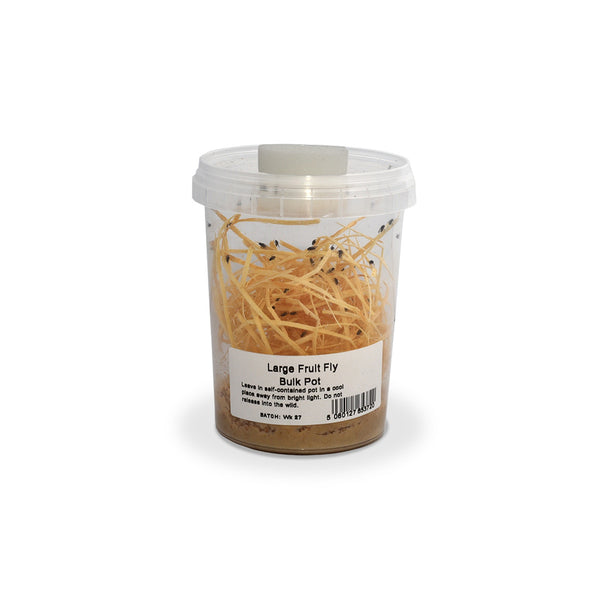
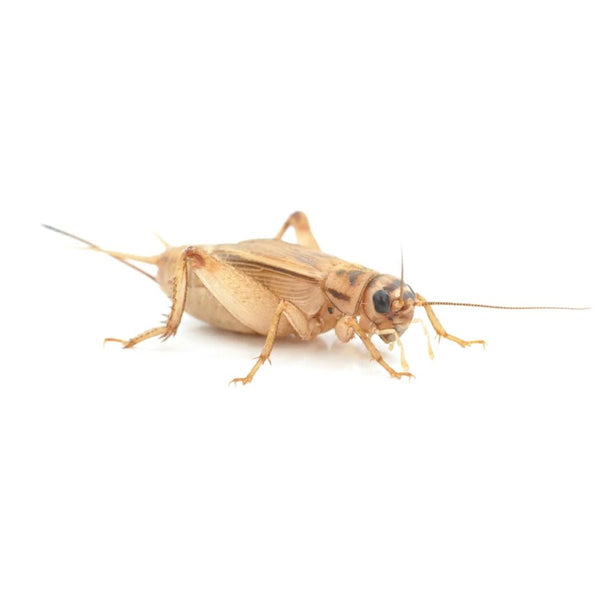
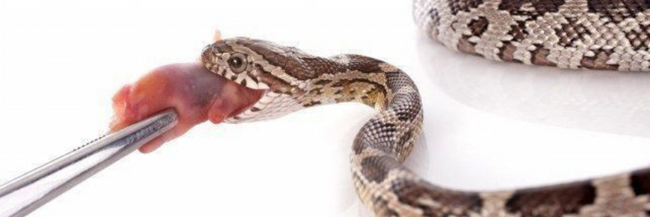
Offer suitably sized live prey such as fruit flies for spiderlings and small flies or other appropriate insects for larger animals. Feed several small meals weekly according to size and abdomen condition. Remove uneaten prey, especially during moulting. Provide small drinking droplets without spraying the spider; no routine reptile vitamin or calcium dusting is required.
Routine Care
Check drinking droplets and ventilation, remove prey remains and monitor abdomen size. Leave a sealed moulting retreat undisturbed and wait until the exoskeleton has hardened before feeding again.
Important Before Buying
Confirm the species, current life stage and established feeder size. Spiderlings require much smaller prey than adults, and a mature animal may have a short remaining lifespan.
Live Animals Are Click & Collect Only
We do not ship live animals. Order online and wait for confirmation that your animal is ready before collecting from Newlands Home and Garden Centre, Clondalkin, Dublin 22. Have the enclosure prepared and its conditions checked before collection.