The pink-tongued skink is a climbing Australian lizard with banded markings and a distinctive pink tongue. This animal is listed as captive bred in 2026. Its snail-based diet and need for humid shelter make preparation especially important.
At a Glance
| Origin |
Eastern Australia; woodland and forest habitats. |
| Adult size |
Approximately 35–45 cm including the tail. |
| Lifespan |
Around 15–20 years. |
| Activity |
Mainly active around dusk and at night. |
| Supplied animal |
Captive bred, 2026; confirm current size and feeding routine at collection. |
Housing & Setup
Enclosure dimensions are length × depth × height. Plan for the adult animal and provide more space wherever possible.
| Adult housing |
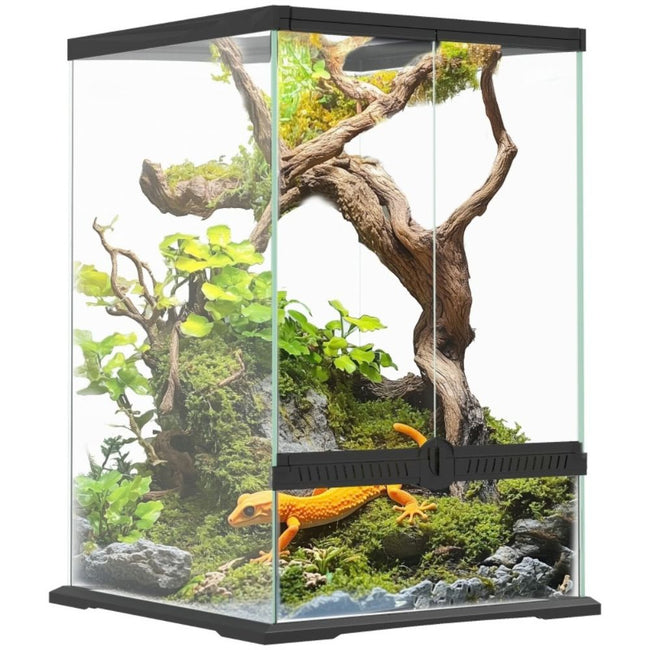
A well-ventilated enclosure of at least 120 × 60 × 90 cm for one adult, with usable floor space and secure climbing branches. |
| Temperature |
Basking area around 33–35°C; cool end around 22–25°C; night around 20–22°C. Use a suitable thermostat and digital thermometers. |
| Lighting & UVB |
Provide species-appropriate UVB and a regular day/night cycle, with shaded retreats and safe lamp distances. |
| Humidity |
Around 60–70%, with a moist hide and good ventilation. Check a digital hygrometer and avoid persistently waterlogged surfaces. |
| Substrate & furnishings |
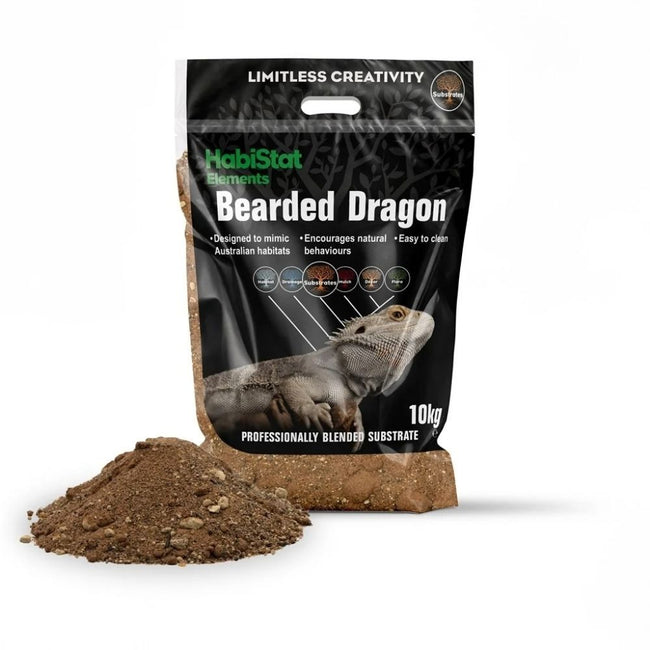
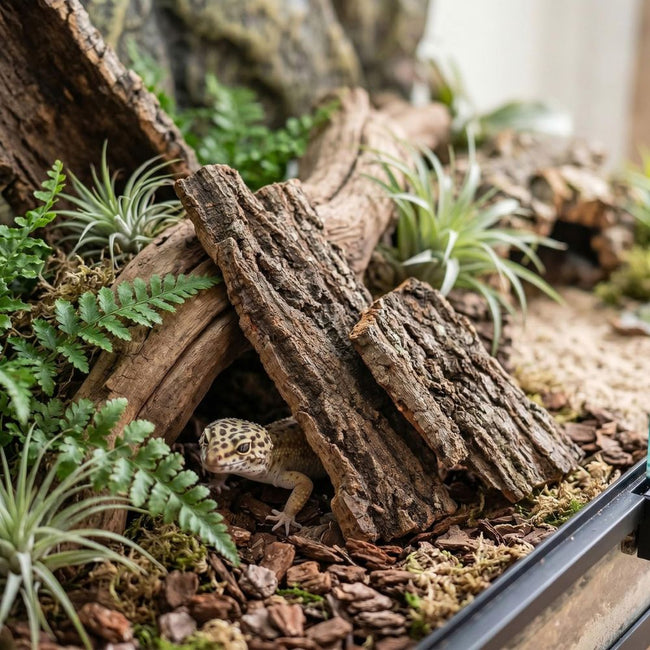
Deep soil-based substrate, leaf litter, ground hides, foliage and securely fixed branches that support the skink’s weight. Supply clean drinking water. |
Behaviour & Compatibility
House individually. Allow the skink to settle before handling; approach gently from the side and support its body and feet. Never restrain it by the tail.
Feeding & Nutrition
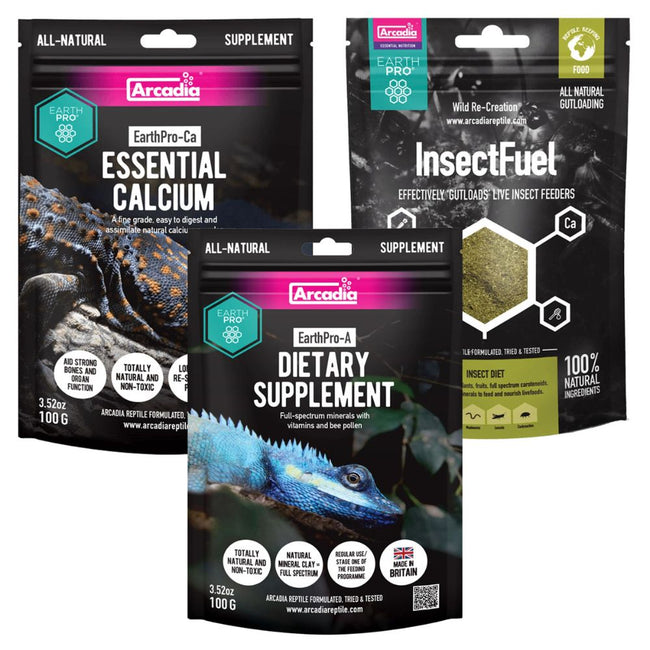
Base feeding on appropriately sized, safely sourced feeder snails. Use suitable prepared snails or controlled feeder cultures, not wild garden snails that may carry parasites or pesticides. Offer other suitable invertebrates for variety where accepted. Growing juveniles usually need more frequent meals than adults. Confirm portions and calcium/multivitamin use with our reptile team.
Routine Care
Check temperatures, moisture, food intake and behaviour daily. Replace water, remove waste and clean food dishes promptly. Monitor shedding and body condition, and consult an exotics vet if appetite or movement changes persist.
Important Before Buying
Prepare and test the enclosure before collection. Ask our reptile team to confirm this animal’s age, current food and supplement routine.
Live Animals Are Click & Collect Only
We do not ship live animals. Order online and wait for confirmation that your animal is ready before collecting from Newlands Home and Garden Centre, Clondalkin, Dublin 22.