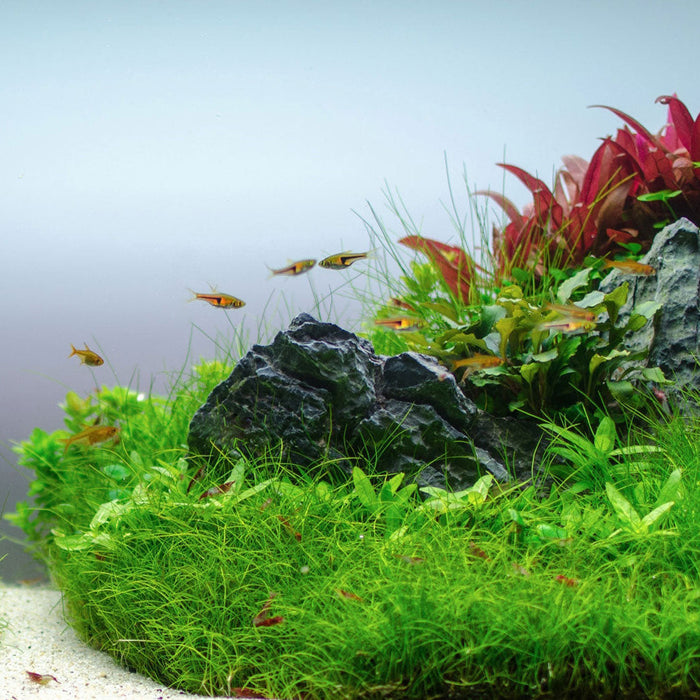
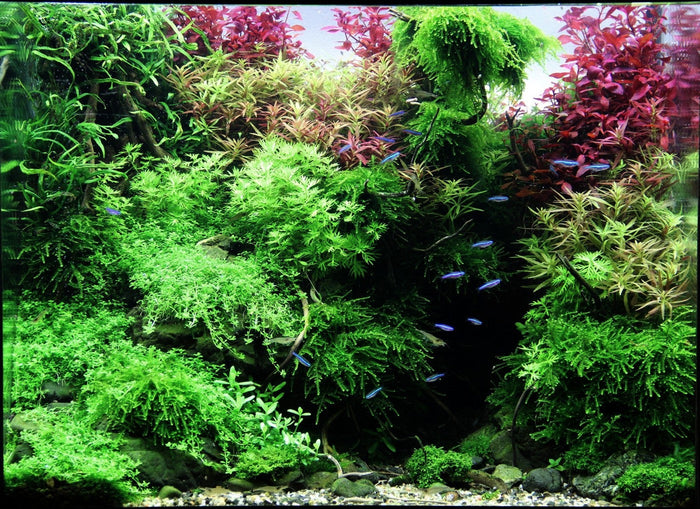
Harlequin Rasbora | Trigonostigma heteromorpha
Choose the aquarium for the adult animal and its companions. A mature filter and stable, species-appropriate water conditions are essential.
At a Glance
| Origin & natural habitat |
Thailand, Malaysia, Singapore, Sumatra, Borneo; freshwater habitats. |
| Adult size |
Approximately 4.5 cm body length (excluding the tail fin). |
| Temperament |
Generally peaceful in an appropriate shoal Keep the species in a suitable shoal rather than singly; check fin-nipping and adult size before mixing. |
| Activity |
Use a consistent light/dark cycle with sheltered resting places. |
| Social needs |
Keep a shoal of at least 6; 8–10 or more is preferable where space allows. |
Housing & Setup
Enclosure dimensions are length × depth × height unless stated otherwise. Plan for the adult animal; larger, suitably furnished housing is encouraged.
| Adult housing |
At least 60 × 30 cm of floor area, around 60 litres at 30 cm water depth. Add space and volume for companions, furnishings and the planned adult group. |
| Enclosure type |
Mature freshwater aquarium, unless a different water type is specified below. |
| Temperature |
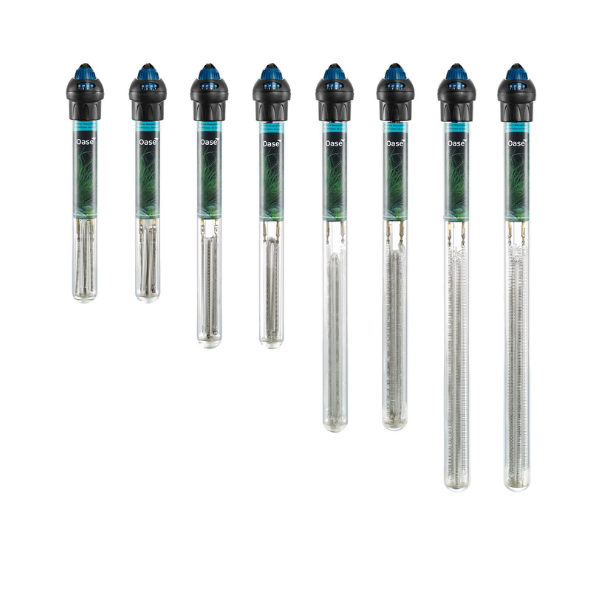
21–28°C |
| Water chemistry |
pH 5.0–7.5; hardness 1–12dGH |
| Substrate |
Species-appropriate sand or smooth gravel; avoid sharp material around bottom-dwelling fish. |
| Furnishings & filtration |
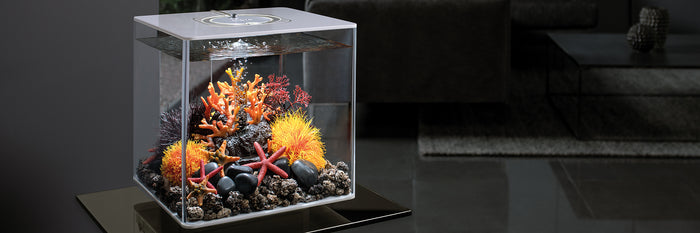
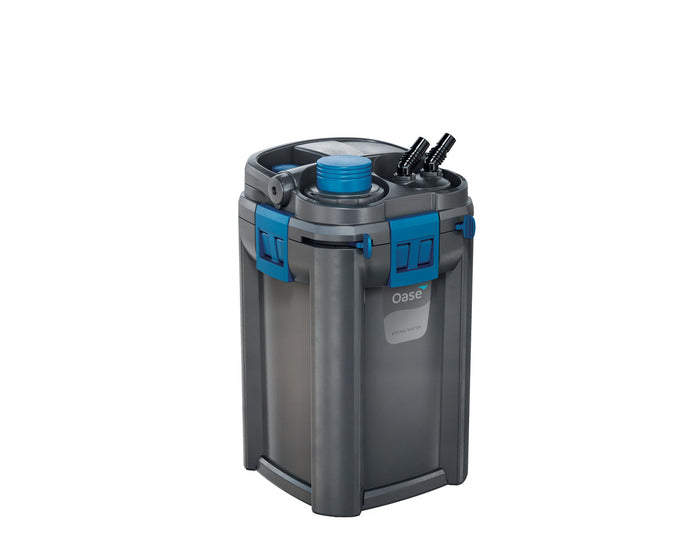
Filtered, heated aquarium with plant cover and open swimming space; size it for an adult shoal |
Behaviour & Compatibility
Generally peaceful in an appropriate shoal Keep the species in a suitable shoal rather than singly; check fin-nipping and adult size before mixing. Check every proposed companion with our aquatic team and allow extra territory for breeding fish.
Feeding & Nutrition
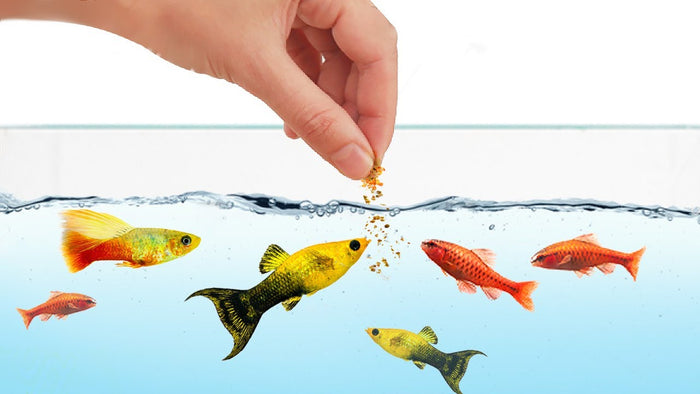
Offer quality fine flake or granule food, supplemented with suitable small frozen or live foods. Feed modest portions and remove uneaten food. Feed measured portions rather than allowing food to accumulate; juveniles may need smaller, more frequent meals. Make sure bottom-dwelling or shy animals receive their share.
Routine Care
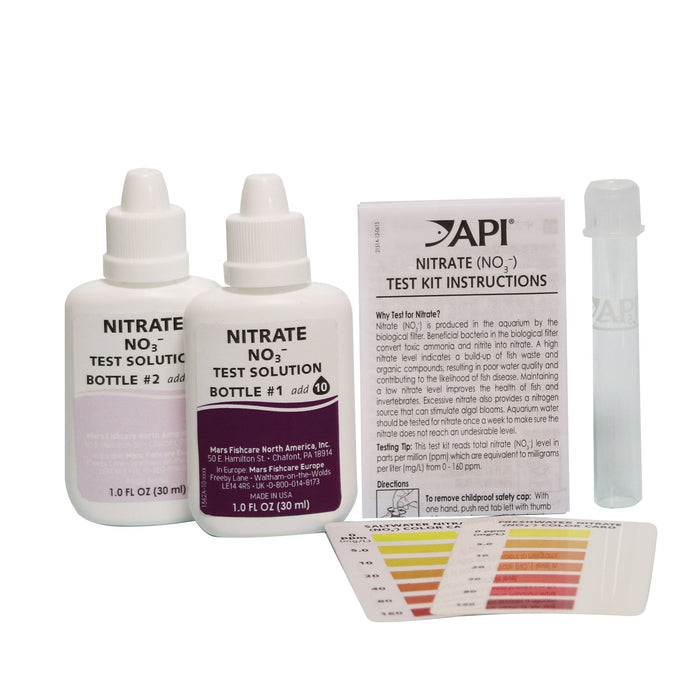
Check appetite, breathing, equipment and water temperature daily. Test water regularly; ammonia and nitrite must remain at zero. Make regular partial water changes using conditioned, temperature-matched water. Rinse biological filter media in removed tank water, preserving the filter bacteria.
Important Before Buying
Cycle the aquarium before collection. Confirm the current food and water conditions with our aquatic team and acclimatise gradually. Sale size is not adult size; stocking and filtration must account for the full-grown animal.
Live Animals Are Click & Collect Only
We do not ship live animals. Order online and wait for confirmation that your animal is ready before collecting from Newlands Home and Garden Centre, Clondalkin, Dublin 22. Have the enclosure prepared and its conditions checked before collection.