Australian Giant Mantis (Hierodula majuscula) | Hierodula majuscula
Plan the habitat for the adult animal, with secure housing and room to carry out its natural behaviour.
At a Glance
| Origin & natural habitat |
The Australian Giant Mantis is native to the tropical and subtropical regions of Australia. It can be found in various habitats, including rainforests, woodlands, and even urban areas. |
| Adult size |
Confirm adult size for the exact species before choosing housing. |
| Lifespan |
The lifespan of the Australian Giant Mantis is relatively short, with females living up to 9 months and males living up to 6 months. However, they grow rapidly and can reach maturity in just a few months. |
| Temperament |
Individuals vary; allow time to settle before any handling. |
| Activity |
Activity varies; give the animal sheltered resting places. |
| Social needs |
House individually. |
Housing & Setup
Enclosure dimensions are length × depth × height unless stated otherwise. Plan for the adult animal; larger, suitably furnished housing is encouraged.
| Adult housing |
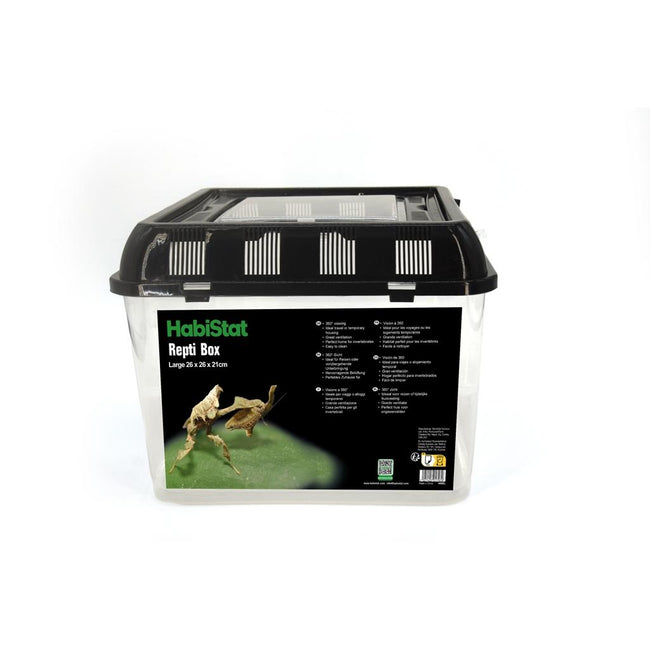
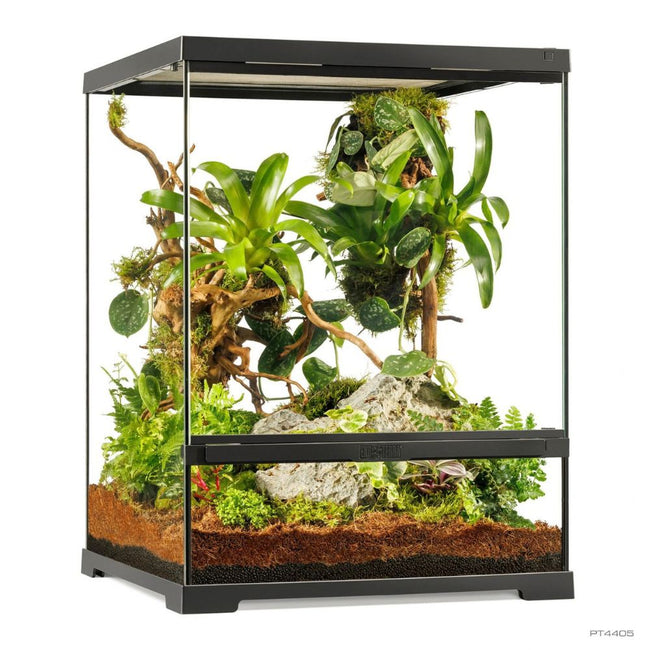
For one adult: internal height at least 3× body length and floor dimensions at least 2× body length. Leave clear hanging space beneath the upper grip; use an appropriately smaller grow-out enclosure for nymphs. |
| Enclosure type |
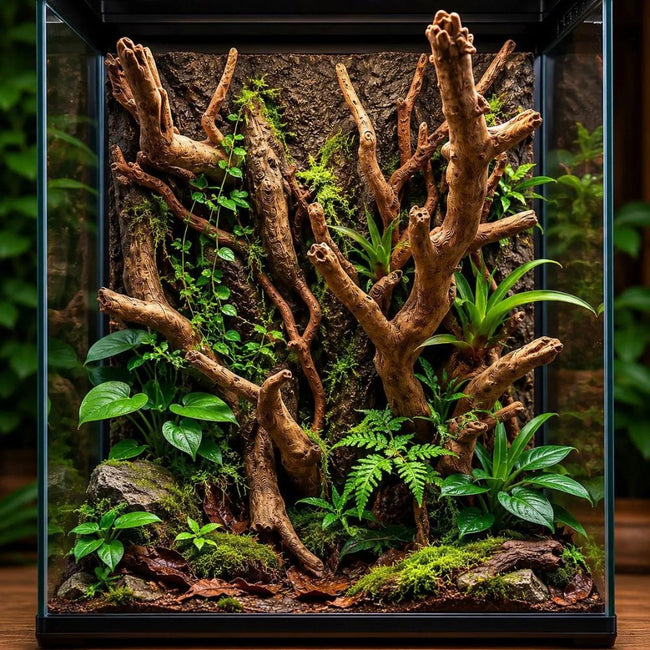
Tall, ventilated enclosure with safe mesh moulting grip. |
| Temperature |
The ideal temperature range for the Australian Giant Mantis is between 25-30°C. It is important to maintain a stable temperature and humidity level in its enclosure to ensure its health and wellbeing. |
| Lighting & UVB |
A regular day/night cycle with darkness at night; specialist UVB is not required. Avoid direct sunlight and overheating. |
| Humidity / moisture |
Confirm the humidity and moisture requirements of the species supplied. |
| Substrate |
Species-appropriate, pesticide-free substrate; avoid aromatic woods. |
| Furnishings & filtration |
Fine branches and foliage with an unobstructed moulting zone. |
Behaviour & Compatibility
Minimal handling is best. Cannibalism can occur even in species sometimes kept communally; individual housing is safest.
Feeding & Nutrition
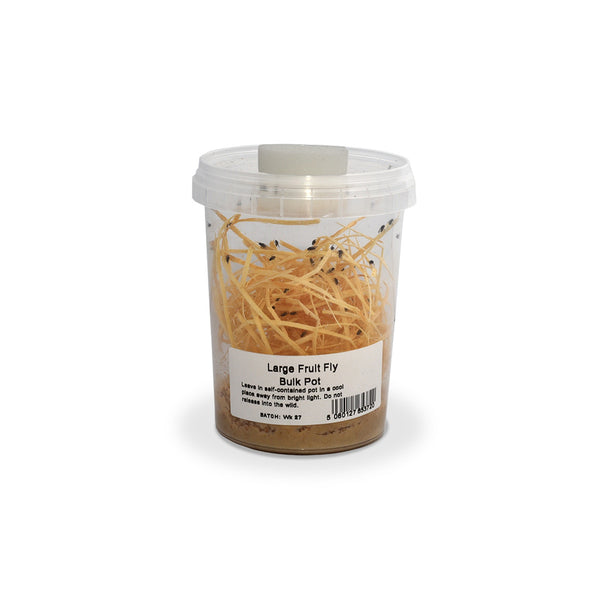
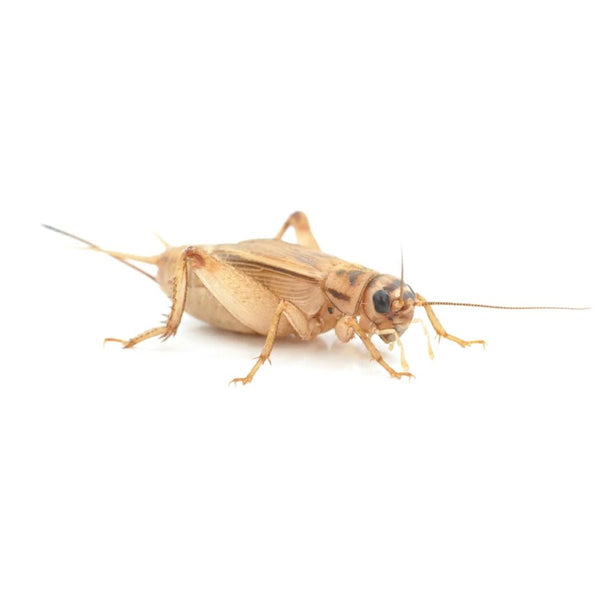
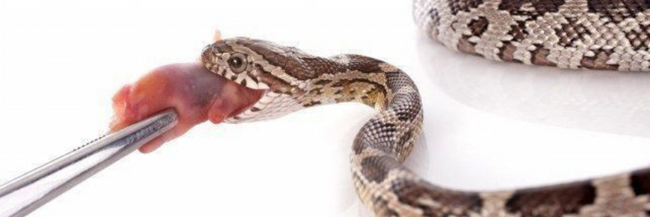
The Australian Giant Mantis is a carnivorous predator that feeds on a variety of live insects, such as crickets, roaches, and flies. It is important to provide a varied diet to ensure it receives all the necessary nutrients. Do not leave prey with an animal preparing to moult. Provide fine drinking droplets by careful misting; avoid soaking the animal or enclosure.
Routine Care
Check food, water or drinking droplets, ventilation and substrate moisture regularly. Remove waste and spoiled food promptly; avoid disturbing animals during moulting. Keep doors and ventilation gaps secure.
Important Before Buying
Confirm the nymph stage and adult body size. Vertical moulting clearance is essential; enclosure height must remain available above the substrate.
Live Animals Are Click & Collect Only
We do not ship live animals. Order online and wait for confirmation that your animal is ready before collecting from Newlands Home and Garden Centre, Clondalkin, Dublin 22. Have the enclosure prepared and its conditions checked before collection.