Otocinclus Catfish L
Live Fish Are Click and Collect Only - We Do Not Deliver Livestock
Please note that we do not ship live animals. You can order online and collect in store.
Special Offer - Buy Any 5 Fish & Get 6th Fish Free Mix & Match
Offer is automatically applied when you add any six fish to cart
🐟 Otocinclus Catfish Care Sheet
🔹 Overview
| Category | Details |
|---|---|
| Scientific Name | Otocinclus sp. |
| Common Name | Otocinclus, Oto Cat, Dwarf Sucker |
| Origin | South America (Amazon Basin, Orinoco Basin) |
| Adult Size | 3–5 cm (1.2–2 in) |
| Lifespan | 3–5 years |
| Temperament | Peaceful, schooling |
| Tank Level | Bottom-dweller |
🔹 Tank Setup
| Parameter | Ideal Range |
|---|---|
| Tank Size | 40+ liters (10+ gallons) for a small group |
| Temperature | 22–28 °C (72–82 °F) |
| pH | 6.5–7.5 |
| Hardness | Soft to moderately hard (4–12 dGH) |
| Substrate | Sand or smooth gravel |
| Decor | Plants, driftwood, rocks, hiding spots |
| Lighting | Low to moderate |
| Filtration | Gentle to moderate; well-oxygenated water |
Tips:
-
Keep in groups of 6 or more for social behavior and stress reduction.
-
Provide plenty of surfaces with algae for grazing.
-
Sensitive to poor water quality; maintain stable, clean water.
🔹 Diet
-
Type: Herbivorous / algae grazer
-
Best Foods: Algae, blanched vegetables (zucchini, spinach), algae wafers, biofilm.
-
Feeding Frequency: Feed daily or as needed; supplement natural grazing.
🔹 Behavior & Compatibility
-
Peaceful bottom-dweller; excellent for community tanks.
-
Constantly grazes on algae; ideal for planted aquariums.
-
Sensitive to sudden water parameter changes.
🧭 Tank Mate Guide
✅ Compatible Species
-
Small tetras (neon, ember, glowlight)
-
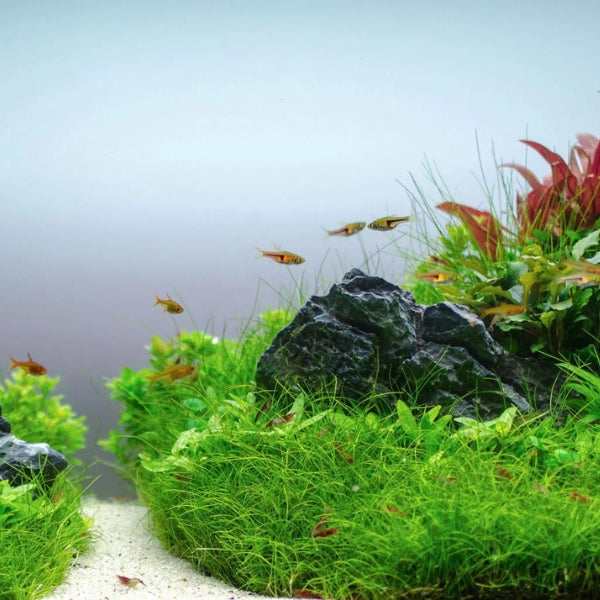
Rasboras (chili, harlequin)
-
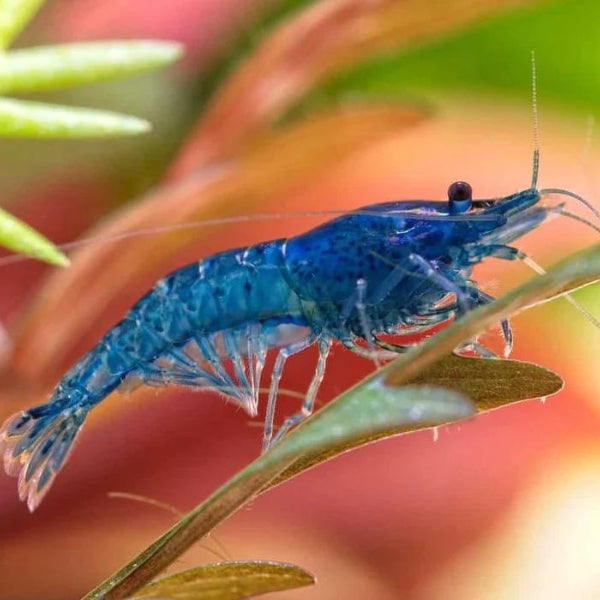
Dwarf shrimp (Neocaridina sp.)
-
Small peaceful rainbowfish
⚠️ Avoid or Use Caution With
-
Aggressive or large fish that may eat Otos
-
Fish that disturb substrate excessively
-
Poor water quality or high nitrate levels
🐣 Breeding Info
-
Method: Egg layers; very difficult to breed in home aquariums.
-
Parental Care: None observed; eggs are rarely raised successfully in captivity.
-
Fry Care: If eggs are successfully obtained, feed infusoria or finely crushed flake food.
🌿 Fun Facts
-
Known as a dwarf algae eater, ideal for controlling biofilm and algae.
-
Gentle, peaceful, and excellent for planted community tanks.
-
Requires stable water conditions and plenty of grazing surfaces to thrive.