Black & Gold Sucking Loach Medium Large
Live Fish Are Click and Collect Only - We Do Not Deliver Livestock
Please note that we do not ship live animals. You can order online and collect in store.
Special Offer - Buy Any 5 Fish & Get 6th Fish Free Mix & Match
Offer is automatically applied when you add any six fish to cart
🐟 Black & Gold Sucking Loach Care Sheet
🔹 Overview
| Category | Details |
|---|---|
| Scientific Name | Gyrinocheilus aymonieri |
| Common Name | Black & Gold Sucking Loach, Chinese Algae Eater (color morph) |
| Origin | Southeast Asia (Thailand, Laos, Cambodia) |
| Adult Size | 15–28 cm (6–11 in) depending on strain |
| Lifespan | 5–10 years |
| Temperament | Juveniles: peaceful, good algae eaters |
| Adults: semi-aggressive, territorial | |
| Tank Level | Bottom to mid-level |
🔹 Tank Setup
| Parameter | Ideal Range |
|---|---|
| Tank Size | 150+ liters (40+ gallons) for adults |
| Temperature | 24–28 °C (75–82 °F) |
| pH | 6.5–7.5 |
| Hardness | 5–15 dGH |
| Substrate | Sand or smooth gravel |
| Decor | Driftwood, rocks, strong water movement, hiding caves |
| Lighting | Moderate |
| Filtration | Strong; fish prefers high-oxygen, well-filtered water |
Tips:
-
Provide strong water flow; they’re from fast-moving rivers.
-
Juveniles eat algae well; adults eat more protein and may stop grazing.
-
Keep only one per tank unless the aquarium is very large—adults become territorial.
🔹 Diet
-
Type: Omnivorous (algae + protein)
-
Best Foods: Algae wafers, sinking pellets, blanched vegetables (zucchini, cucumber, spinach), frozen foods (bloodworms, brine shrimp).
-
Feeding Frequency: Once or twice daily; supplement veggies regularly.
🔹 Behavior & Compatibility
-
Juveniles are peaceful; adults can become territorial, especially with slow fish.
-
May “suck” slime coats of flat-bodied or slow-moving fish as they mature.
-
Works best in tanks with faster mid-level swimmers and no slow bottom dwellers.
🧭 Tank Mate Guide
✅ Compatible Species
-
Barbs (tiger, rosy, gold)
-
Danios
-
Larger tetras
-
Rainbowfish
-
Loaches (in large tanks only)
⚠️ Avoid or Use Caution With
-
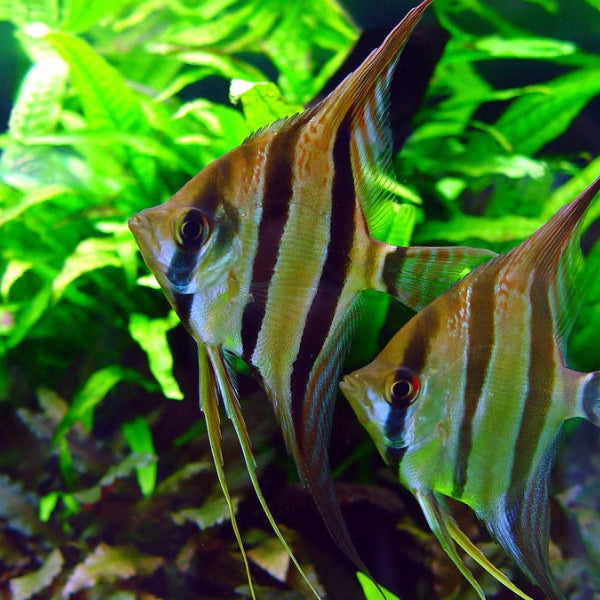
Angelfish and discus
-
Bettas or gouramis
-
Slow or long-finned fish
-
Other algae eaters (territorial overlap)
🐣 Breeding Info
-
Very difficult in home aquaria; usually commercially bred.
-
No known parental care in captivity.
-
Fry require micro-foods and clean, oxygenated water.
🌿 Fun Facts
-
Their mouth is specialized for clinging to rocks in strong currents.
-
One of the most misidentified fish in the hobby—often confused with true “plecos.”
-
Juveniles are excellent algae eaters, but adults switch to a more omnivorous diet.