Brazilian White Knee Tarantula | Acanthoscurria geniculata
Plan the habitat for the adult animal, with secure housing and room to carry out its natural behaviour.
At a Glance
| Origin & natural habitat |
Brazil; ground-level retreats and burrows. |
| Adult size |
Approximately 21 cm diagonal leg span; females are generally larger. |
| Lifespan |
Females often live 10–20 years or more; males are much shorter-lived. Confirm age and sex with our team. |
| Temperament |
A display animal; speed and defensive behaviour vary by species. |
| Activity |
Usually most active at dusk or at night. |
| Social needs |
House individually. |
Housing & Setup
Enclosure dimensions are length × depth × height unless stated otherwise. Plan for the adult animal; larger, suitably furnished housing is encouraged.
| Adult housing |
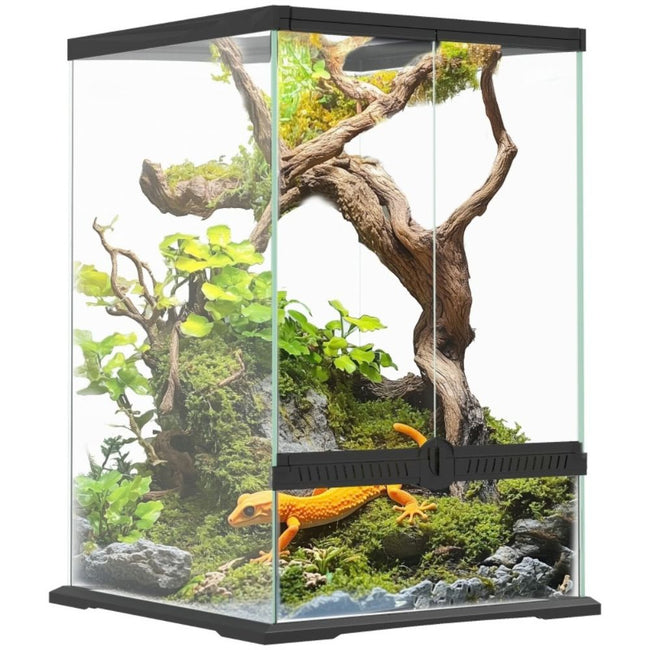
Adult planning recommendation: around 65 × 45 × 35 cm or larger, with deep substrate and a low clear distance to the lid to limit fall injury. Spiderlings need a smaller escape-proof grow-out container, expanded as they grow. |
| Enclosure type |
Low, secure terrestrial enclosure. |
| Temperature |
Stable room conditions around 20–25°C; avoid direct sun and unregulated heat. |
| Lighting & UVB |
A regular day/night cycle with darkness at night; specialist UVB is not required. Avoid direct sunlight and overheating. |
| Humidity / moisture |
Maintain a moisture gradient, with damp lower substrate and a drier surface. Arboreal enclosures need excellent cross-ventilation; do not keep the enclosure stagnant or soaked. |
| Substrate |
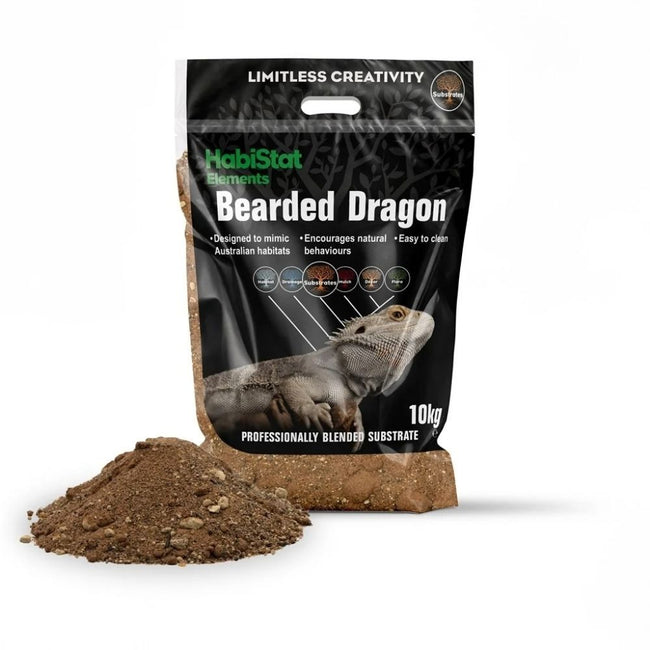
Firm, pesticide-free soil-based substrate, deep enough for burrowing. For terrestrial spiders, keep the distance from substrate to lid low to reduce fall injury. |
| Furnishings & filtration |
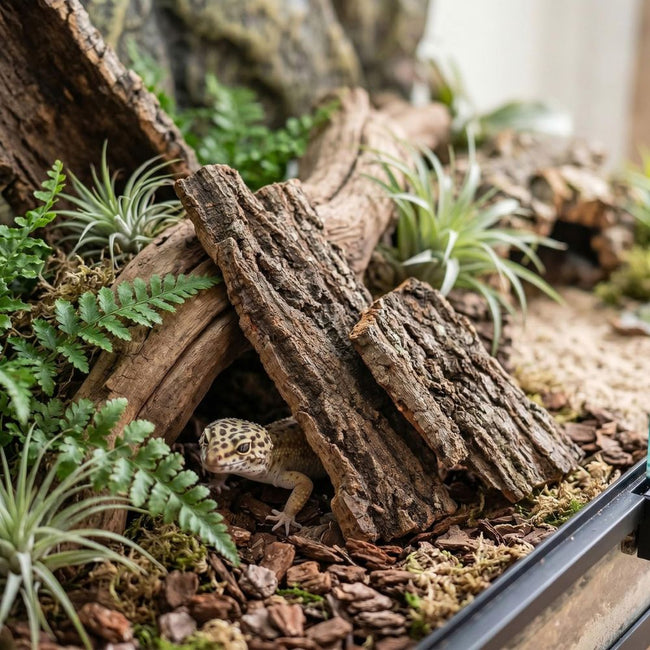
Cork shelter and water dish; arboreal animals need a vertical cork retreat and web anchor points. |
Behaviour & Compatibility
Do not handle. Use a secure catch cup for maintenance. Some New World species shed irritating hairs; many Old World species are fast and have medically significant bites. Even calmer species can bite or suffer fatal injury from a fall.
Feeding & Nutrition
Feed suitable live insects, smaller than the spider’s body, using its current size rather than adult size to select prey. Spiderlings need small prey more often; adults usually feed every 1–2 weeks, adjusted to abdomen size and appetite. Remove uneaten prey within 24 hours, and immediately if the spider is preparing to moult. No routine calcium or reptile vitamin dusting is needed. Keep fresh water accessible.
Routine Care
Check food, water or drinking droplets, ventilation and substrate moisture regularly. Remove waste and spoiled food promptly; avoid disturbing animals during moulting. Keep doors and ventilation gaps secure.
Important Before Buying
The S, Med and L labels describe the supplied animal, not its final adult size. Confirm sex, leg span and identification with our team. Mature males have a much shorter remaining lifespan than females.
Live Animals Are Click & Collect Only
We do not ship live animals. Order online and wait for confirmation that your animal is ready before collecting from Newlands Home and Garden Centre, Clondalkin, Dublin 22. Have the enclosure prepared and its conditions checked before collection.